

Patch Management Best Practices for Stronger Cybersecurity
Patch management best practices are essential for keeping modern IT environments secure, stable, and resilient. Every operating system, application, server, endpoint, network...
Cybersecurity teams constantly monitor newly discovered software flaws, but some vulnerabilities are far more difficult to handle than ordinary security bugs. Zero-day...
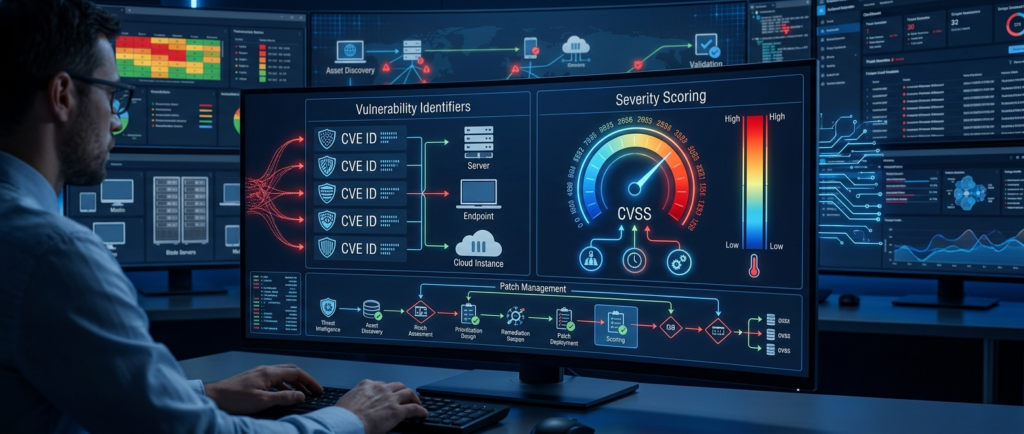
Modern organizations deal with thousands of software vulnerabilities across operating systems, applications, cloud services, network devices, libraries, and third-party components. Two terms...
The vulnerability management lifecycle is a continuous security process used to identify, assess, prioritize, remediate, and verify security weaknesses across an organization's...
Startups move quickly. New features are released, APIs are added, cloud infrastructure grows, and customer data starts flowing through systems that may...
Modern organizations continuously add new applications, APIs, cloud resources, servers, containers, and third-party services to their environments. Every new asset can introduce...
In the modern cyber threat landscape, securing web applications is no longer just about patching outdated libraries or blocking SQL injections. As...